Louis Vuitton Bag Portfolios For High-Net-Worth Strategies
Author:Arooba
|
Released:October 4, 2025
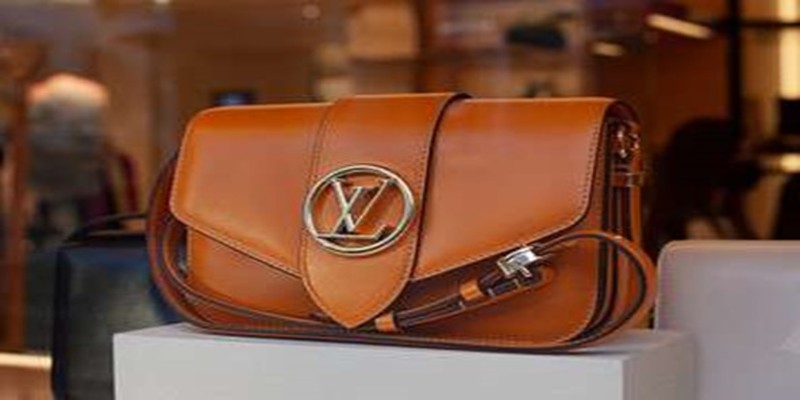
About 20 percent of handbag collectors now view designer bags as long-term investments. Building a Louis Vuitton bag portfolio requires the same careful planning as traditional investing.
You start by comparing iconic models and verifying authenticity to ensure your collection holds value. Storage solutions, maintenance, and liquidity planning are just as important as picking the right style. Tracking market trends, understanding resale potential, and diversifying your collection help turn luxury bags into a smart, strategic asset.
Why Luxury Bags Make Financial Sense
The Louis Vuitton bag resale market operates differently than most people expect. Limited editions from 2019-2024 delivered 12-18% annual returns, beating many equity funds during the same period. Unlike volatile crypto or tech stocks, these tangible assets hold value through economic uncertainty.
Wealthy buyers appreciate three key advantages: predictable appreciation for rare pieces, brand strength during downturns, and low correlation with traditional markets. A pristine Speedy or Capucines doesn't crash overnight because of interest rate changes or earnings reports. The value lies in craftsmanship, scarcity, and sustained global demand, especially from emerging luxury consumers across Asia and the Middle East.
Physical ownership also provides psychological benefits that spreadsheets can't match. These assets can be enjoyed while they appreciate, unlike gold bars locked in vaults. That dual purpose appeals to investors seeking both returns and lifestyle enhancement.
Iconic Model Comparisons That Matter Most
Strategic iconic model comparisons separate smart buyers from impulse shoppers. Understanding which styles hold value requires analyzing resale performance, appreciation potential, and market liquidity across different bag categories.
When conducting iconic model comparisons, structured bags outperform soft styles for long-term gains. The Neverfull GM functions as a reliable holding with quick resale potential, while cross-body options like the Pochette Métis score high in liquidity assessments due to practical daily use.
Vintage pieces require different iconic model comparisons altogether. Pre-2000 trunks and specialty luggage command serious premiums with complete provenance. Condition drives everything in iconic model comparisons, though. Even minor wear drops values by 30-50%, which makes preservation critical from day one.
Authenticity Verifications Protect Investment Value
Professional authenticity verifications aren't optional for serious collectors. Counterfeit Louis Vuitton bags flood online platforms, making expert authentication mandatory for any purchase above $2,000. Services like Entrupy use AI-powered microscopic analysis to catch fakes with 99.1% accuracy.
Traditional authenticity verifications examine date codes, hardware stamps, and stitching precision. Pre-2021 bags contain alphanumeric codes showing production details, while newer pieces embed RFID microchips. Smart buyers use multi-stage authenticity verifications: dealer certification first, independent expert review second, and technology scanning third.
Red flags during authenticity verifications include inconsistent stamping fonts, plastic-coated canvas instead of treated cotton, and crooked monogram alignment. Genuine pieces use exactly 5 stitches per inch with perfectly matched thread. Hardware should show crisp engravings without thin plating or suspiciously light weight.
Detailed authentication records boost resale values by 15-25% and speed up transactions during liquidity assessments. Buyers pay premium prices for thoroughly documented pieces because authenticity verifications eliminate purchase risk.
Storage Solutions Prevent Value Loss
Climate-controlled storage solutions aren't a luxury, they're a necessity. A Louis Vuitton bag needs stable conditions between 65-70°F with 45-55% humidity. Direct sunlight damages vachetta leather beyond attractive patina, while excess moisture causes canvas mildew that tanks resale value.
Professional storage solutions include
Acid-free tissue for shape retention.
Breathable dust bags to prevent condensation.
Individual shelf space to avoid pressure marks.
Collectors with 10+ pieces often install dedicated closet systems with UV-free LED lighting. High-end storage solutions feature built-in dehumidifiers and air purifiers for optimal preservation.
Rotation prevents permanent creasing from static positioning. Quarterly inspections and specialized cleaning maintain condition grades that directly impact liquidity assessments. Insurance policies covering luxury accessories usually mandate approved storage solutions with regular appraisal updates.
Off-site luxury vaults offer maximum protection with biometric access, 24/7 surveillance, and full replacement coverage. These storage solutions cost $50-150 monthly per item but eliminate home insurance complications while providing museum-grade environments.
Liquidity Assessments Determine Selling Strategy
Strategic liquidity assessments identify optimal exit timing. The Louis Vuitton bag resale market peaks during Q4 holidays and spring fashion seasons, with 40% higher transaction volumes. Savvy sellers time liquidity assessments around model discontinuities, which create immediate demand spikes.
Platform choice significantly affects liquidity assessments. Consignment through The RealReal provides authentication but takes 30-50% commissions. Peer platforms offer better margins but require seller-managed authenticity verifications. Auction houses suit rare pieces above $10,000, where bidding competition maximizes returns.
Effective liquidity assessments factor in condition grading and competitive pricing. "Pristine" items sell 60% faster than "very good" pieces. Pricing 5-10% below comparable listings accelerates sales while protecting margins. Regular liquidity assessments allow portfolio rebalancing, rotating out slower performers for emerging opportunities.
Tax planning matters too. Collectibles face 28% capital gains rates versus 20% for securities. Professional advisors help optimize liquidity assessments for tax efficiency and estate planning.
Building A Strategic Collection
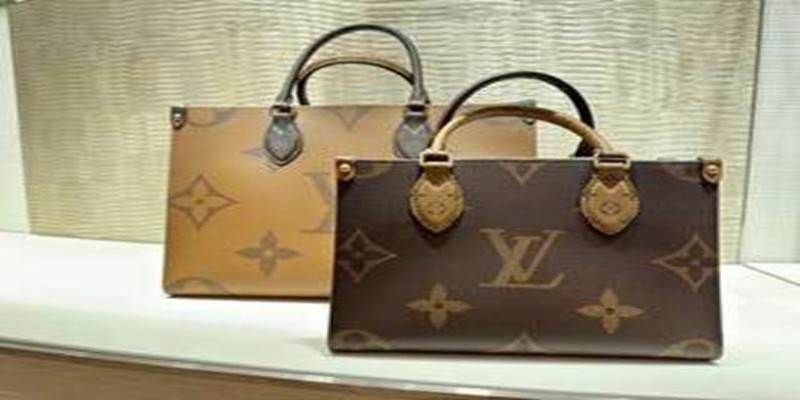
Diversification matters in luxury investing just like traditional portfolios. A balanced approach: 40% classic monogram for stability, 30% leather goods for appreciation, 20% limited editions for growth, 10% vintage rarities for asymmetric upside.
New collectors should start with 3-5 core pieces totaling $15,000-25,000 before expanding. This allows learning authenticity verifications, storage solutions management, and liquidity assessments without excessive risk. Quarterly acquisitions smooth entry prices across market cycles.
Geographic arbitrage exists, too. European retail prices run 20-25% below U.S. equivalents due to VAT refunds for international shoppers. Experienced buyers leverage these differentials while maintaining strict authenticity verifications regardless of purchase location.
Taking The Next Step
Building a Louis Vuitton bag portfolio demands research, discipline, and capital strategy. Mastering iconic model comparisons, implementing rigorous authenticity verifications, maintaining proper storage solutions, and conducting informed liquidity assessments transforms shopping into asset accumulation.
The luxury investment market rewards educated participants who treat these pieces as serious holdings. Whether starting a collection or optimizing existing assets, professional guidance accelerates success while avoiding costly authentication mistakes or storage damage.
High-net-worth individuals looking to diversify beyond traditional securities should explore how luxury tangibles fit their wealth preservation goals. The combination of aesthetic enjoyment and financial appreciation makes this asset class increasingly attractive for sophisticated portfolios seeking non-correlated returns.
You May Like
Apparel & Shoes
Best Smart Casual Shoes To Pair With Modern Office Outfits
Outfit Ideas
Y2K Fashion Outfits: How To Dress Like The 2000s Today
Outfit Ideas
Business Casual Attire For Men: Essential Pieces Every Professional Needs

Apparel & Shoes
High-Value Designer Handbags as Portfolio Diversifiers

Design
Accredited Fashion Designing Courses For Emerging Talent